Why open application doesn't work in farming hardship
If you look at the websites of large benevolent funds, you will often find an online application form. That model has its place. But it is a poor fit for farming hardship in a county like Devon — and we have learned that the hard way.
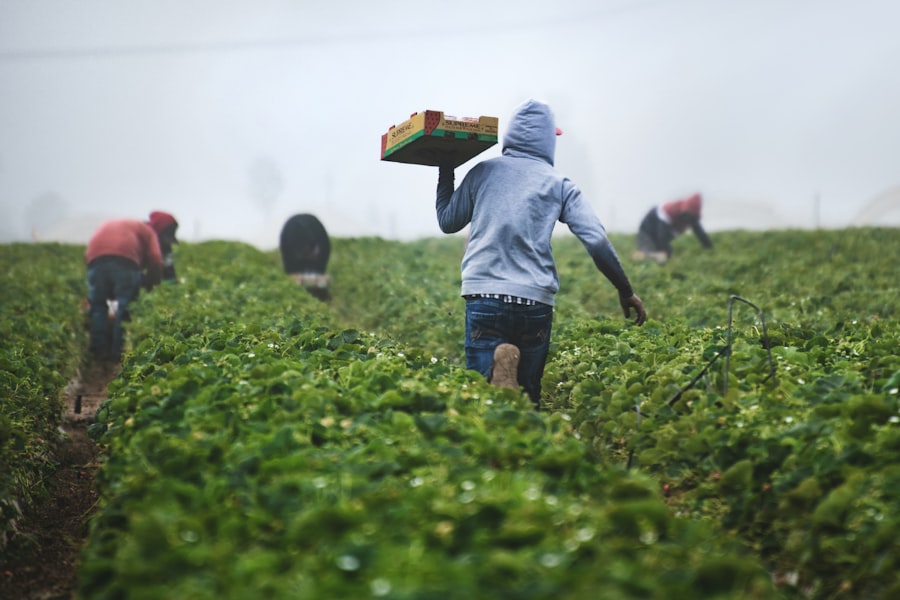
Three reasons. First, the households who most need support are often the slowest to admit they do. Farming is proud work, and accepting charity can feel like a small defeat. Second, the paperwork of modern hardship is exhausting — utility arrears, bank correspondence, Rural Payments letters, vet bills — and asking someone already drowning in paperwork to fill in a fresh application form is a reliable way to ensure they do not. Third, and most important, the warning signs of hardship rarely appear in the person experiencing them. They appear to the people around them — neighbours, vets, ministers, auctioneers. Those people are where the early warning comes from, and they are where the door opens first.
The network, person by person
Our referral network in Devon is not a formal structure. It is a set of working relationships, slowly built over years, with the people whose day-to-day work puts them on farm doorsteps.
- Rural vets. A farm vet sees more of a family's life than almost anyone else — the state of the kitchen table, whose name is on the TB paperwork, how quiet the farmer has become. Several of our most important referrals have come from a vet quietly mentioning to us that something was not right.
- Farming Community Network volunteers. FCN is a national charity with Devon volunteers who make house calls to farmers in distress. They are often the ones who make a second or third visit where we might be useful, and who help a family consent to a grant application.
- Land agents and farm consultants. They see the accounts when families hesitate to. A careful land agent, noticing a cash-flow crisis that is about to become a crisis of another kind, is often where a referral begins.
- Rural ministers and chaplains. Devon still has a strong network of parish ministers, auction-mart chaplains and Christian farming charities. Faith is not a precondition of our work — but ministers visiting bereaved farming households are often the ones who see the full picture first.
- Neighbours, young farmers' club secretaries, NFU group officers. The informal network. Slower, less systematic — but often the most trusted route.
"We tell every referrer the same thing: you don't need to know whether we will help — that's our job. You just need to know whether the family would agree to us looking."
What a good referral looks like
A good referral does three things. It describes the household's situation in enough detail for trustees to make a decision — the nature of the crisis, what immediate pressure the family is under, what other help is already in place. It confirms that the family know the referral is being made and have consented to it. And it identifies what the referrer thinks a modest grant would usefully buy — not what they think the household "deserves", but what a few hundred or a few thousand pounds could concretely unlock.
The grants we make are not enough to fix everything. They are almost never the only support in place. But in combination with an FCN visit, a vet's continued care, a rural chaplain's presence and the slow rebuilding that families do for themselves, a grant at the right moment can change the shape of a year.
How to get involved as a referrer
If you work in Devon in any of the roles described above and would like to have the fund on your referral list, please get in touch. There is no accreditation process. We simply ask referrers to respect our confidentiality standards and to make sure the family has consented to the referral. Contact us at grants@devonfarmersbenevolent.org.uk or through the contact form.
If you are reading this and you are yourself in distress — please do call the Farming Community Network on 03000 111 999 (daily, 7am–11pm) first. They are better placed than we are to offer the right first conversation.